Long-term or short-term: renting an ADU in Puget Sound.
Registration, taxes and the local limits on short-term stays.
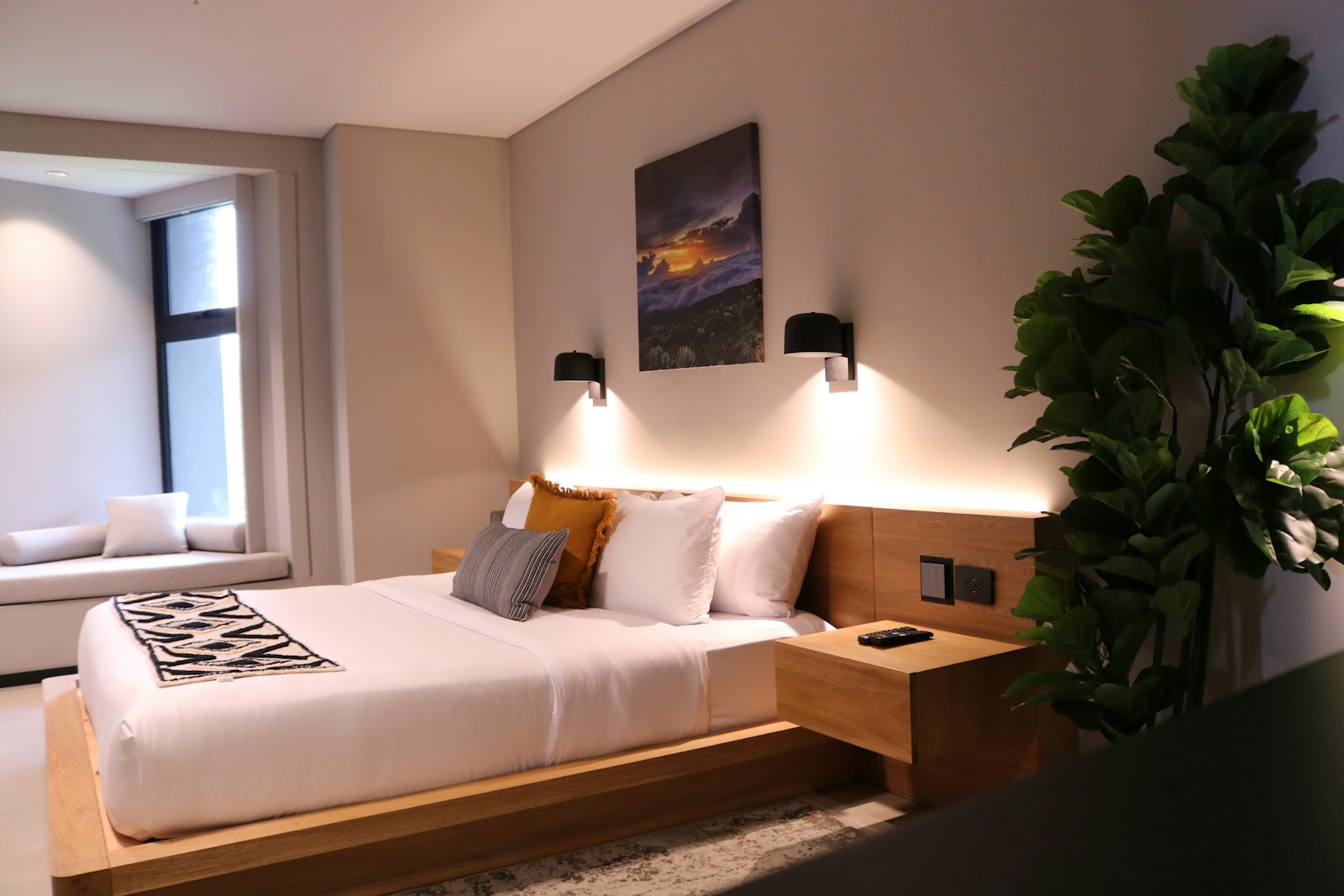
A short-term rental can earn more per night than a lease. It also comes with more licenses, more taxes, more work and more ways for a city to say no. Before you furnish the ADU for guests, compare the two on the rules, not only on the rent.
First: is a short-term rental allowed at all?
Washington’s ADU law requires cities to allow ADUs, but it explicitly lets them restrict using ADUs as short-term rentals (RCW 36.70A.680). Many cities do, so the first question is local. Two more places to check: your HOA or recorded covenants, which can ban short stays outright, and your mortgage and insurance terms.
Seattle’s rules for short stays
- Licenses. A Seattle business license tax certificate plus a short-term rental operator license: $75 per unit, renewed every year.
- Two-unit limit. An operator may run up to two units they own, and one of them must be their primary residence. Your house plus your ADU fits that limit; a third unit does not (with narrow exceptions for legacy operators).
- Rental registration. A primary residence rented short-term does not need registration with the city’s Rental Registration and Inspection Ordinance (RRIO) program, but a dedicated short-term rental unit, including an ADU on the same lot as your home, does.
Taxes: the biggest practical difference
Stays of fewer than 30 consecutive days are lodging under Washington tax rules. The Department of Revenue says owners renting this way may need to register, collect retail sales tax and lodging taxes from guests, and pay business and occupation (B&O) tax. Platforms may collect some of these for you, but registration and reporting stay your responsibility. A stay of 30 days or more under a contract is generally not taxed as lodging.
Federal income tax applies either way. IRS Publication 527 covers rental income, expenses and depreciation; how often you use the unit yourself changes how it is treated.
Side by side
| Long-term lease | Short-term rental | |
|---|---|---|
| Allowed in ADUs | Everywhere | Where the city allows it |
| Seattle paperwork | RRIO registration | Business license + STR license ($75/unit/yr) + RRIO for an ADU |
| Washington taxes on the rent | None as income | Sales tax, lodging taxes, B&O |
| Rules for occupants | Residential Landlord-Tenant Act, city tenant protections | Lodging, platform terms |
| Furnishing | Optional | Required |
| Your time | Low once leased | Cleaning, turnover, guest messages |
| Income | Steady | Higher per night, seasonal, uncertain |
| Mortgage qualifying | FHA and Fannie Mae can count ADU rent within limits | Ask your lender |
Which suits you
Long-term fits owners who want predictable income with little management, who are counting the rent toward a mortgage, or who built the ADU to add housing for someone local.
Short-term can fit owners who live on site (in Seattle, the house must be your primary residence for the two-unit limit to work), who want the unit available for family visits, and who are ready to run a small hospitality business with its taxes.
Many owners start with one and switch later. Design so both work: a separate entrance, sound separation from the main house, and separate meters if you can.
More on registration, leases and taxes in Renting it out.
SOURCES
- RCW 36.70A.680 — Accessory dwelling units, (5)(a)REVISED CODE OF WASHINGTON
- Short-term rentalsCITY OF SEATTLE · FINANCE AND ADMINISTRATIVE SERVICES
- Rental Registration and Inspection Ordinance (RRIO)CITY OF SEATTLE · SDCI
- Personal home rentalsWASHINGTON STATE DEPARTMENT OF REVENUE
- Publication 527, Residential Rental PropertyINTERNAL REVENUE SERVICE
A plain-language summary, not legal, tax or lending advice. Rules change: the linked source governs. How we keep pages current →
Bring your lot. We’ll bring the build plan.
Send your address and what you have in mind. We check it against your city’s code and come back with a scoped estimate.