Selling an ADU as a condo
What state law allows, what a condo declaration and survey map involve, how utilities and shared areas are split, and the lender questions to ask early.
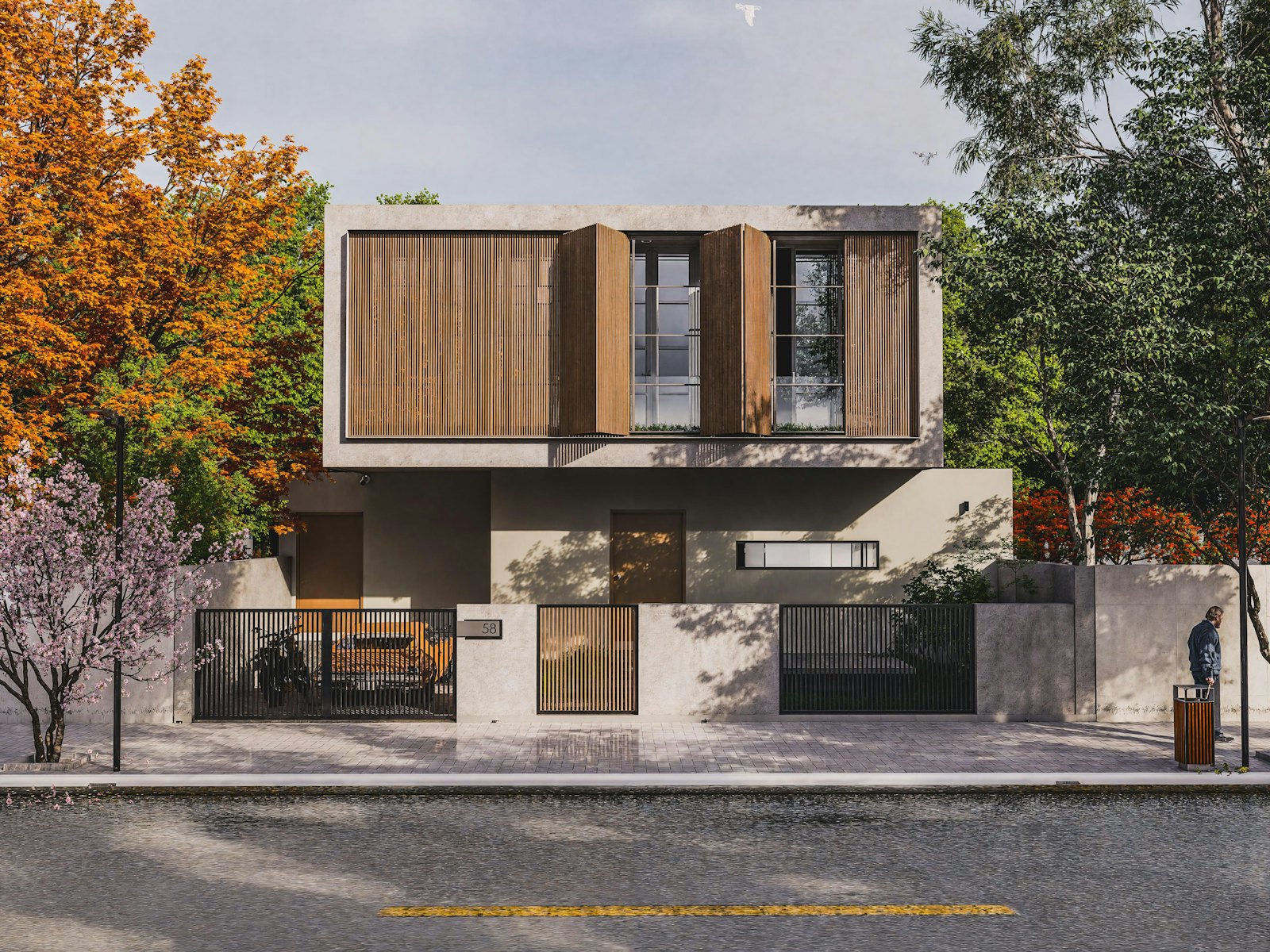
An ADU normally shares a lot, and a deed, with the main house. Washington now lets owners split that ownership by turning the property into a small condominium: the house is one unit, the ADU another, and the land around them is held in common. It is one of the few ways to sell an ADU on its own, and it takes more legal and survey work than most owners expect.
What state law allows
Under Washington’s ADU law, a city or county may not prohibit the sale or other conveyance of a condominium unit independently of the main house just because the unit was originally built as an ADU (RCW 36.70A.681(1)(k)). In Ladder Properties LLC v. City of Snoqualmie (July 2026), Division I of the Court of Appeals relied on this provision and held that a city cannot penalize owners for recording a condominium declaration on lawfully built structures.
Two limits remain. Private covenants (CC&Rs) that already apply to your lot are not changed by the law, so check your title report for restrictions. And the law sets what cities may not prohibit; it does not create the condominium for you.
How the condominium is created
Condominiums created in Washington today are governed by the Washington Uniform Common Interest Ownership Act (RCW 64.90). A condominium is created by recording two things with the county:
- A declaration, signed like a deed, that defines the units, the common elements (land, driveway, yards, shared pipes), each unit’s share of costs and votes, and the rules (RCW 64.90.200).
- A map showing the units and common elements, prepared to the statute’s requirements (RCW 64.90.245). Where the map is a survey, it must be made by a licensed surveyor, and a copy goes to the county assessor.
The declaration also creates an owners’ association, even with only two units. It needs bylaws, a simple budget, insurance and a way to decide shared repairs. Small associations are where friendly neighbors most often fall out; write the rules for the roof, the yard and the sewer line now.
Separate utilities and shared areas
Buyers and lenders expect each unit to stand on its own, which usually means:
- Separate electric and water meters, so each owner pays their own bills.
- A side sewer plan that the declaration addresses: either separate lines or a shared line with clear maintenance and repair responsibilities.
- Defined limited common elements: each unit’s yard, parking spot and entry.
It is far cheaper to build separate services during construction than to add them later. If a future sale is possible, say so before design starts (Utilities and connections).
Lenders: ask early
A buyer of the ADU unit needs a mortgage on a condominium, and condominium loans can involve a review of the condominium itself (its documents, insurance and budget), not just the unit. Very small condominiums can raise questions with some lenders and loan programs. Before you commit to the condo route, ask two or three local lenders whether they would lend on a unit in a two-unit condominium like yours, and what they need to see.
If the main house has a mortgage, your current lender has to agree too: converting the property changes their collateral.
The steps, in order
- Feasibility: confirm local rules, check the title for CC&Rs, talk to lenders.
- Design for separation: separate meters, sewer plan, defined yards and parking.
- Build and pass final inspection.
- Survey and map of the completed buildings.
- Declaration and association documents drafted by a real-estate attorney.
- Record the declaration and map with the county, and confirm with the assessor how the units will be valued and taxed.
- Sell, with the disclosures the condominium act requires for a resale or first sale.
This is a legal process with real consequences for both owners. Use a Washington real-estate attorney for the declaration and a licensed surveyor for the map. This page is general information, not legal advice.
SOURCES
- RCW 36.70A.681 — Accessory dwelling units, (1)(k)REVISED CODE OF WASHINGTON
- RCW 64.90.200 — Creation of common interest communitiesREVISED CODE OF WASHINGTON
- RCW 64.90.245 — MapsREVISED CODE OF WASHINGTON
- Court of Appeals protects ADU condominium conversions (Ladder Properties)HILLIS CLARK MARTIN & PETERSON
- Accessory dwelling unitsMUNICIPAL RESEARCH AND SERVICES CENTER (MRSC)
A plain-language summary, not legal, tax or lending advice. Rules change: the linked source governs. How we keep pages current →
Bring your lot. We’ll bring the build plan.
Send your address and what you have in mind. We check it against your city’s code and come back with a scoped estimate.