Utilities and connections
Side sewer, water and power: when you can share the main house’s connections, when you need your own, and why the distance across your lot drives the price.
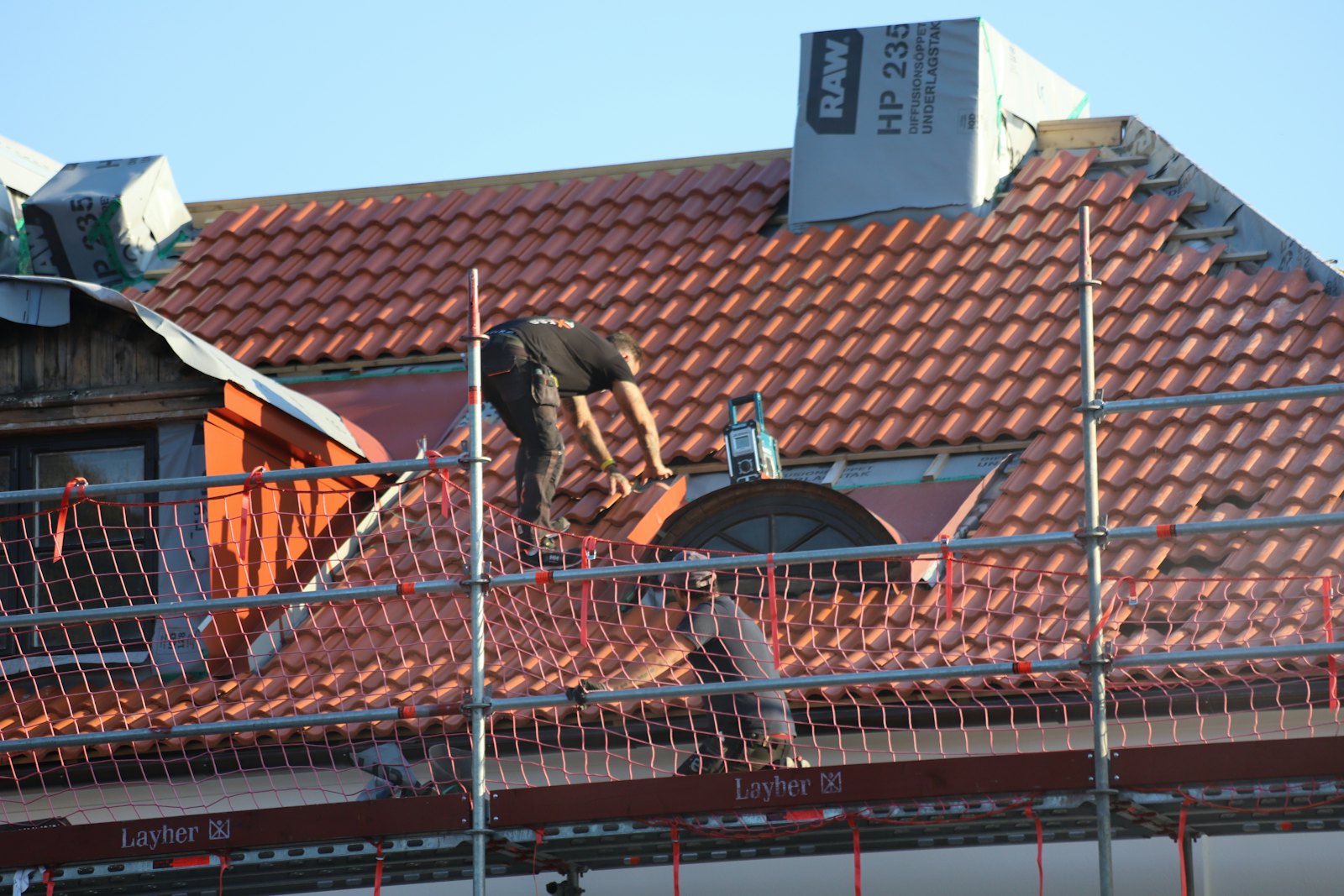
An ADU is a complete home, so it needs sewer, water and power. For a basement or attached unit, most of these already exist inside the house. For a backyard cottage, every line has to cross the yard, and that distance is one of the biggest variables in the budget. In our cost model, utility connections for a detached ADU range from about $24k to $59k, more than design and permits combined.
Side sewer: tie in or run new
The side sewer is the private pipe that carries wastewater from your buildings to the public sewer main, usually under the street or alley. It belongs to the property owner, who is responsible for it all the way to the main.
An ADU can connect in one of two ways:
- Tie into the existing side sewer. A new branch from the ADU joins the house’s line. This works when the existing pipe is in good condition, large enough and deep enough for the ADU to drain to it by gravity.
- Run a new side sewer. A separate line from the ADU to the main. Needed when the old line is failing or too shallow, when the ADU sits closer to an alley main, or when you plan to sell the ADU separately and want independent services.
Three things decide the cost: length (every foot is trenching, pipe and restoration), depth and slope (gravity needs a continuous fall; if the ADU sits lower than the main, it needs a pump), and what is in the way (trees, driveways, retaining walls, the house itself). Our model budgets $15k–$35k for a new side sewer and $3k–$8k when a conversion only ties into lines already in the house.
In Seattle, side sewer permitting moved from SDCI to Seattle Public Utilities (SPU) on October 1, 2025. SPU reviews the plans, issues the permit and inspects the work; core tap fees are now paid up front on the permit invoice. Applications still go through the Seattle Services Portal ([email protected], 206-684-5362). More detail in Side sewer basics for backyard cottages.
The sewer capacity charge (King County)
Properties whose sewage flows to a King County treatment plant pay a capacity charge when they add a new connection. It is billed monthly for 15 years and can be paid off early at a discount. For connections on or after January 1, 2026, the rate is $77.99 per residential customer equivalent (RCE) per month, and an attached or detached ADU counts as 0.59 RCE: about $46 a month. Budget for it even though it does not appear on the construction contract.
Water: shared or separate meter
An ADU can share the house’s water service, with a new branch line, or get its own meter.
- Shared is cheaper to build. You split the bill with a tenant by agreement, or include water in the rent.
- Separate means a new service and meter from the water utility. It costs more (our model: $5k–$14k) but bills each household directly, and it is the practical choice if the ADU may be sold as a condominium.
The main house’s water service also has to be big enough for two homes. A plumber sizes this from the fixture count; an undersized service is a common hidden cost.
Electricity: feeder or separate meter
Most ADUs are fed in one of two ways:
- A feeder from the main panel, with a subpanel in the ADU. Cheaper, but the house’s service has to carry both homes, and an older 100-amp service often needs an upgrade.
- A separate service and meter from the electric utility (Seattle City Light in Seattle). Our model: $4k–$10k, more if the service has to be brought a long way.
An all-electric ADU with a heat pump, induction range and water heater adds a real load. Size the service before the design is final, not after.
Stormwater and drainage
A new roof and paths add runoff that has to go somewhere: a connection to a storm system, an infiltration system, or another approved method. In Seattle, onsite drainage stays with SDCI as part of the construction permit review. Soil, slope and lot size decide what works.
Why distance drives the price
| Line | Our model | What moves it |
|---|---|---|
| New side sewer | $15k–$35k | Length, depth, pump vs gravity, obstacles |
| Separate water meter | $5k–$14k | Utility fees, distance to the street |
| Separate electric meter | $4k–$10k | Service size, distance, panel upgrade |
| Tie-ins only (conversions) | $3k–$8k | Condition of existing lines |
All three services usually share one trench where they can, which is why planning them together saves money. Before design starts, find out where the sewer main is (street or alley), how deep the existing side sewer runs, and the size of the electrical service. Those three answers settle where on the lot the ADU should go.
SOURCES
- Side sewer work transfers to Seattle Public Utilities (Oct 1, 2025)CITY OF SEATTLE · BUILDING CONNECTIONS
- About the capacity chargeKING COUNTY WASTEWATER TREATMENT DIVISION
- Accessory Dwelling UnitsSEATTLE DEPT. OF CONSTRUCTION AND INSPECTIONS
A plain-language summary, not legal, tax or lending advice. Rules change: the linked source governs. How we keep pages current →
Bring your lot. We’ll bring the build plan.
Send your address and what you have in mind. We check it against your city’s code and come back with a scoped estimate.